No. Cloning can preserve genetic information, but personality, memory, behavior, and every lived experience develop independently.
Pet Cloning, Explained with Scientific Clarity
A considered pathway for preserving genetic information and exploring future possibilities, supported by scientific review and coordinated service.
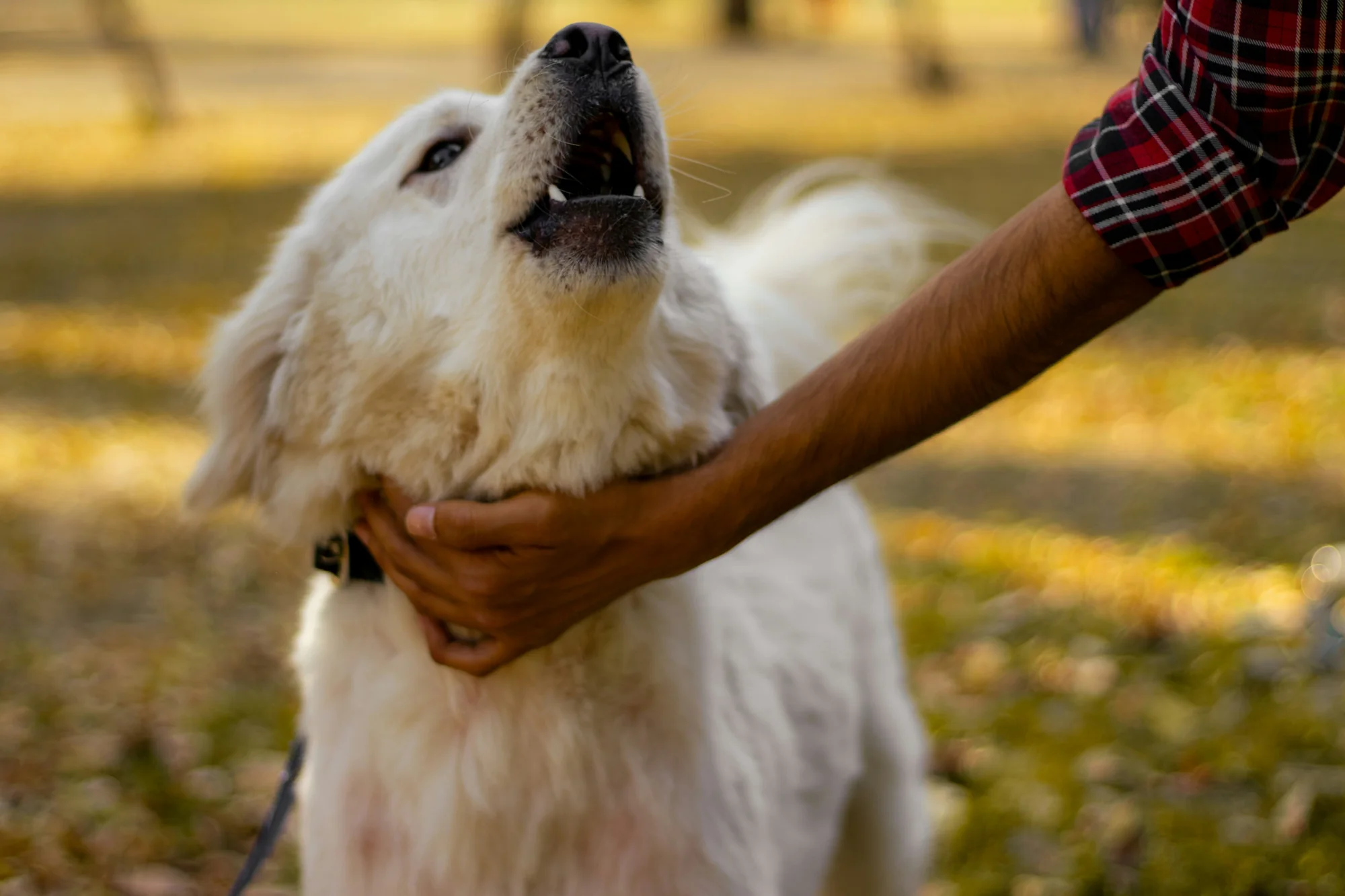
What pet cloning means
Pet cloning uses preserved genetic material within a specialized reproductive biotechnology process. It is a scientific service centered on genetic continuity, not a way to reproduce a pet’s memories or lived identity.
When families begin the conversation
Begin with the family’s real situation, not with technical terminology.
- Planning ahead while a pet is healthy
- Reviewing options after a serious diagnosis or loss
- Understanding whether available cells may support preservation
- Coordinating next steps from outside China
Genetic continuity, not a copied life
The technical foundation involves viable cells, nuclear transfer, embryo development, and carefully coordinated animal care. Genetics can continue; personality and experience begin again.
A clear path forward
Each step begins with what has been clarified in the stage before it.
Initial assessment
Share the pet’s species, current situation, available sample information, and the service you are considering.
Sample and feasibility review
The relevant sample pathway and scientific considerations are reviewed before a project pathway is discussed.
Coordinated next steps
If the available information supports proceeding, the team explains the applicable preparation and service stages.
Questions to consider
Species, sample condition, timing, and service goals can change the appropriate next step. An assessment helps the team discuss those factors without making assumptions.
The current reviewed site content introduces pathways for dogs, cats, and horses. Every situation still requires species-specific discussion.
Start with a private assessment
Share the situation you are navigating so the appropriate scientific and service pathway can be discussed.