Pet cloning is a form of reproductive cloning that uses nuclear genetic information from a somatic cell within a specialized process intended to create a new animal. It does not reproduce the original pet’s memories or lived identity.
Sources:U.S. Food and Drug Administration, 2024National Human Genome Research Institute, National Institutes of Health, 2020Pet Cloning Questions, Answered with Care
Direct answers for families balancing urgency, scientific uncertainty, emotional significance, and a decision that deserves careful guidance.
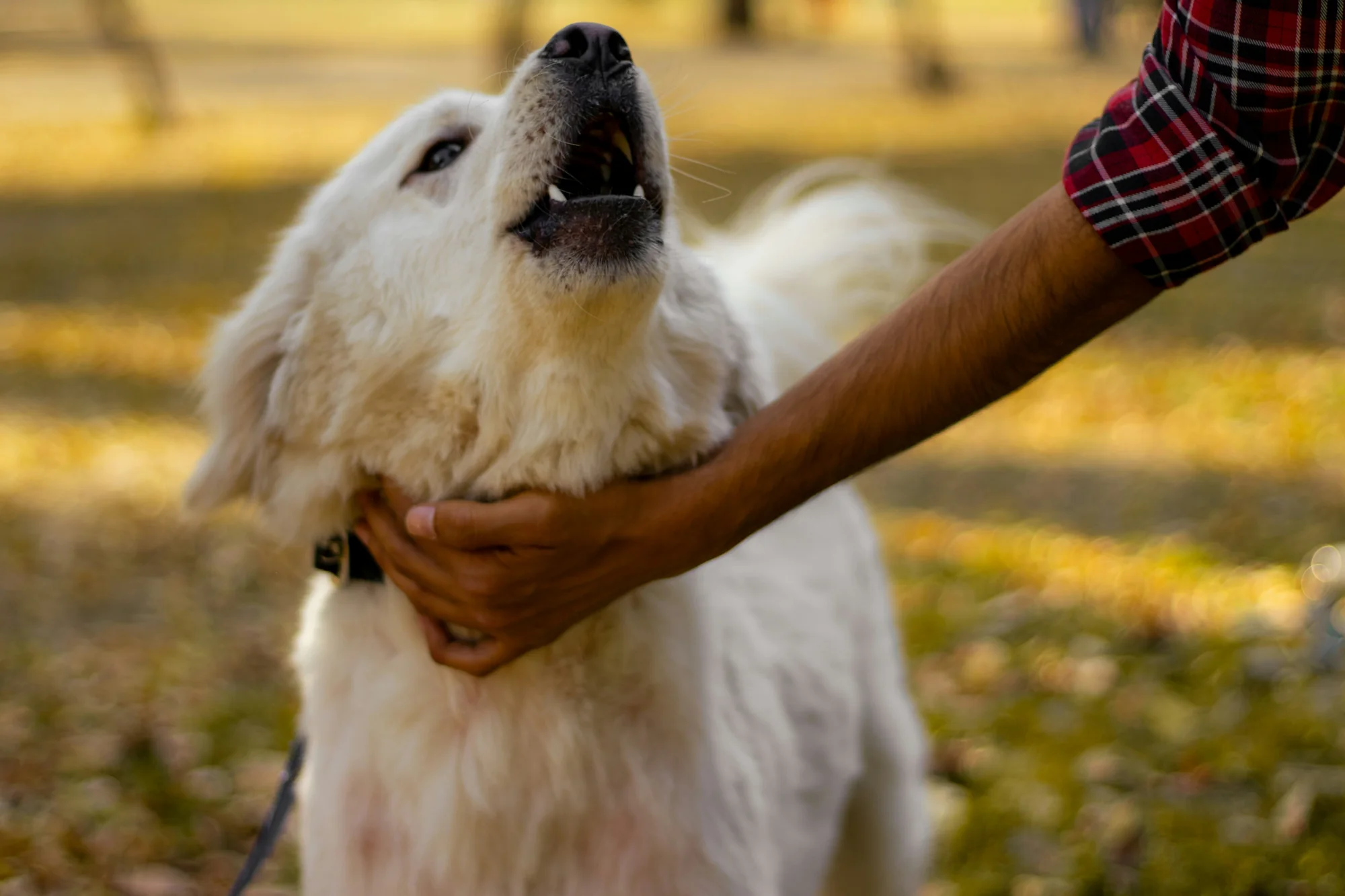
Begin with the question that matters now
Some visitors are planning ahead; others are facing a time-sensitive loss. The answers below separate general scientific information from the individual guidance needed for a real sample or project.
Four decision areas
- Immediate sample and timing questions
- Preservation before a future decision
- The cloning process and expected stages
- Genetics, appearance, behavior, and individuality
One boundary applies throughout
Cloning concerns genetic information. Memory, personality, learned behavior, relationships, and life experience are not copied.
From question to next step
Each step begins with what has been clarified in the stage before it.
Initial assessment
Share the pet’s species, current situation, available sample information, and the service you are considering.
Sample and feasibility review
The relevant sample pathway and scientific considerations are reviewed before a project pathway is discussed.
Coordinated next steps
If the available information supports proceeding, the team explains the applicable preparation and service stages.
Questions to consider
A clone can have highly similar nuclear genetic information to the donor, but that does not mean every genetic or biological feature is identical. Development, epigenetic effects and environmental factors can influence phenotype, so the animals should not be described as complete copies.
Sources:National Human Genome Research Institute, National Institutes of Health, 2020Scientific Reports, 2022No. Cloning can carry nuclear genetic information into a new animal, but memories, learned behavior, relationships and lived experience are not copied. Published canine research on selected behavior measures does not justify an identical-personality claim.
Sources:Journal of Veterinary Science, 2016Genes influence appearance, but development, environmental effects and biological variation can also shape visible traits. Government and peer-reviewed sources describe phenotype variation even among animals with closely matched nuclear genomes.
Sources:National Human Genome Research Institute, National Institutes of Health, 2020Scientific Reports, 2022Genetic preservation establishes and manages a viable cellular resource for possible future use. Pet cloning is a separate reproductive biotechnology pathway, and preserving cells does not commit a family to begin it.
No. A DNA record captures genetic sequence information, while cloning-related preservation requires living cells that can be assessed, cultured and managed as a cellular resource.
Sources:National Human Genome Research Institute, National Institutes of Health, 2020Research shows that viable cells have sometimes been recovered from frozen post-mortem canine tissue and used in cloning work. This establishes possibility, not certainty; timing, condition, handling and laboratory recovery require case-specific assessment.
Sources:Cryobiology, 2020Yes. MZY BIO can review the pet’s location, available cells or sample and intended service case by case. Requirements can vary, so the review does not promise universal sample acceptance, transit time or customs clearance.
The timeline varies with sample review, cell culture, embryo development, pregnancy, and care stages. An individual assessment is required before any schedule can be discussed.
Nanjing Agricultural University reports that Anqing Sijimingfu Pet Co., Ltd. participated in joint canine somatic-cell cloning research and development with the university and Shandong Aimeng. The report describes joint work among the named parties; it is not a university certification or a claim that MZY BIO completed every stage independently.
Sources:Nanjing Agricultural University, 2026A cloned dog can be evaluated as a candidate donor. Its highly similar nuclear genetic background may create a new possibility for matching marrow, hematopoietic cells, or other tissues. Veterinary specialists must still assess the disease, treatment window, DLA and immune compatibility, both animals’ health, welfare, and the available clinical pathway before any transplant decision. Preserving viable cells early can retain more time and options for a future assessment.
Sources and boundaries
Each source supports a defined statement. A scientific reference does not prove a company result, and an institutional report does not become a certification.
U.S. Food and Drug Administration · 2024
A Primer on Cloning and Its Use in Livestock Operations
- Supports
- General reproductive cloning and SCNT mechanism.
- Boundary
- This livestock-focused science source does not validate a pet-cloning company or individual outcome.
National Human Genome Research Institute, National Institutes of Health · 2020
Cloning Fact Sheet
- Supports
- Somatic-cell cloning basics, genetic similarity and phenotype variation.
- Boundary
- It does not establish sample suitability or endorse MZY BIO.
Journal of Veterinary Science · 2016
Learning, memory and exploratory similarities in genetically identical cloned dogs
- Supports
- Selected learning, memory and exploratory measures in a small cloned-dog study.
- Boundary
- It does not support an identical-personality claim.
Scientific Reports · 2022
Insights from one thousand cloned dogs
- Supports
- Observed phenotype variation in the authors’ cloned-dog dataset.
- Boundary
- It does not predict another animal or establish a company result.
Cryobiology · 2020
Dog cloning from post-mortem tissue frozen without cryoprotectant
- Supports
- Scientific possibility of recovering cells from some frozen post-mortem canine tissue.
- Boundary
- It does not guarantee feasibility or an outcome for an individual pet.
Nanjing Agricultural University · 2026
Professor Li Juan’s team advances key canine somatic-cell cloning technology
- Supports
- Source-attributed participation of the legal entity in named joint canine cloning work.
- Boundary
- It does not certify MZY BIO or establish independent end-to-end delivery.
Still deciding what applies to you?
Share the situation you are navigating so the appropriate scientific and service pathway can be discussed.