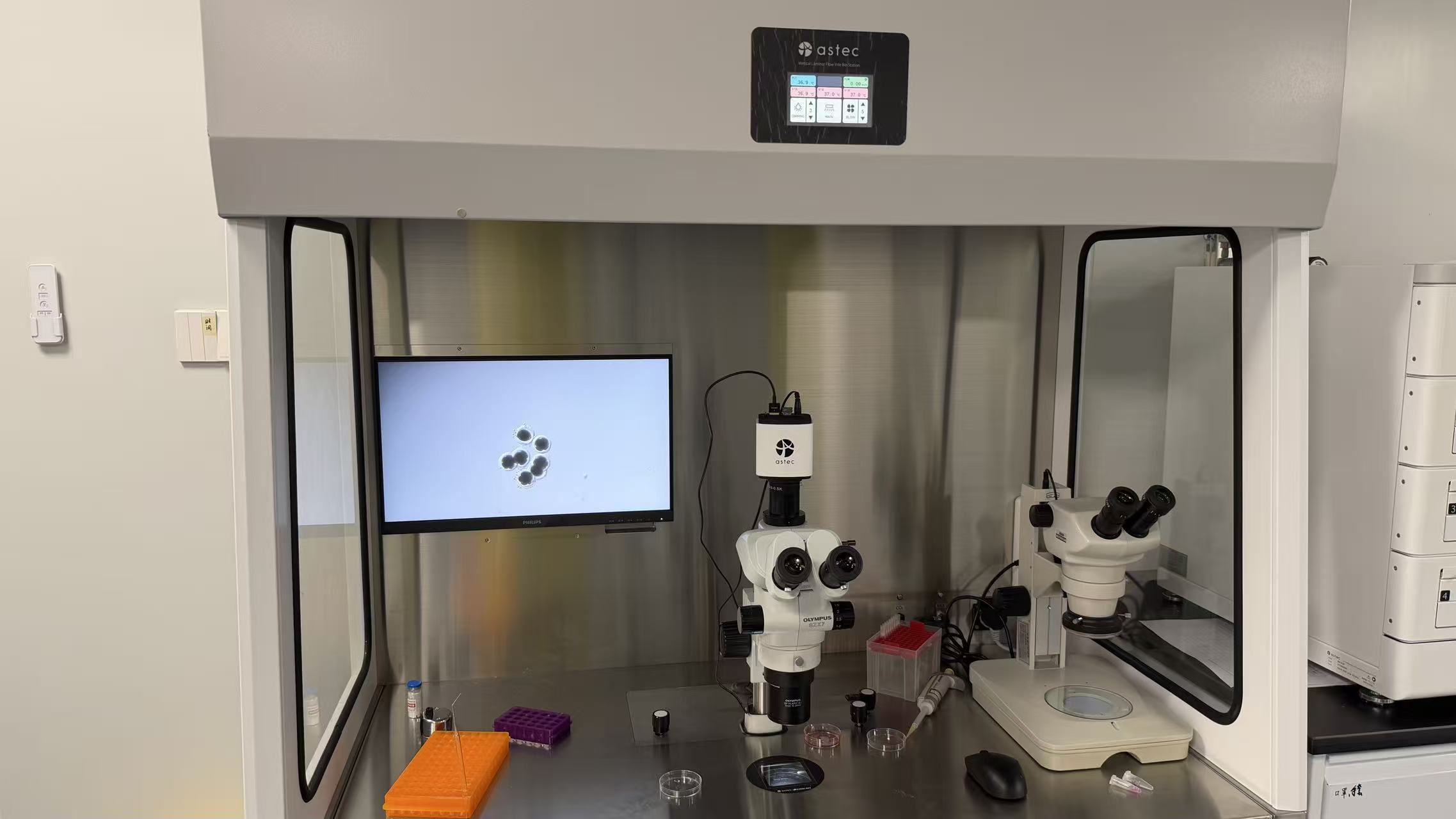
Viable cells are the working resource
A DNA record can describe genetic information, but cloning-related preservation requires living cells capable of laboratory recovery and culture. Research on canine cloning has studied more than one donor-cell source without making every sample of that type suitable.
Sources:National Human Genome Research Institute, National Institutes of Health, 2020 · Theriogenology, 2011Condition and contamination matter
Time, prior handling, temperature history, contamination and culture performance can affect whether cells can be recovered. These variables require professional review; a general webpage cannot provide a universal collection protocol.
Sources:Cryobiology, 2020Post-mortem tissue can retain possibility—not certainty
A peer-reviewed canine study reported cell recovery and cloned offspring from some frozen post-mortem tissue. That result establishes scientific possibility, not acceptance or feasibility for a particular pet.
Sources:Cryobiology, 2020