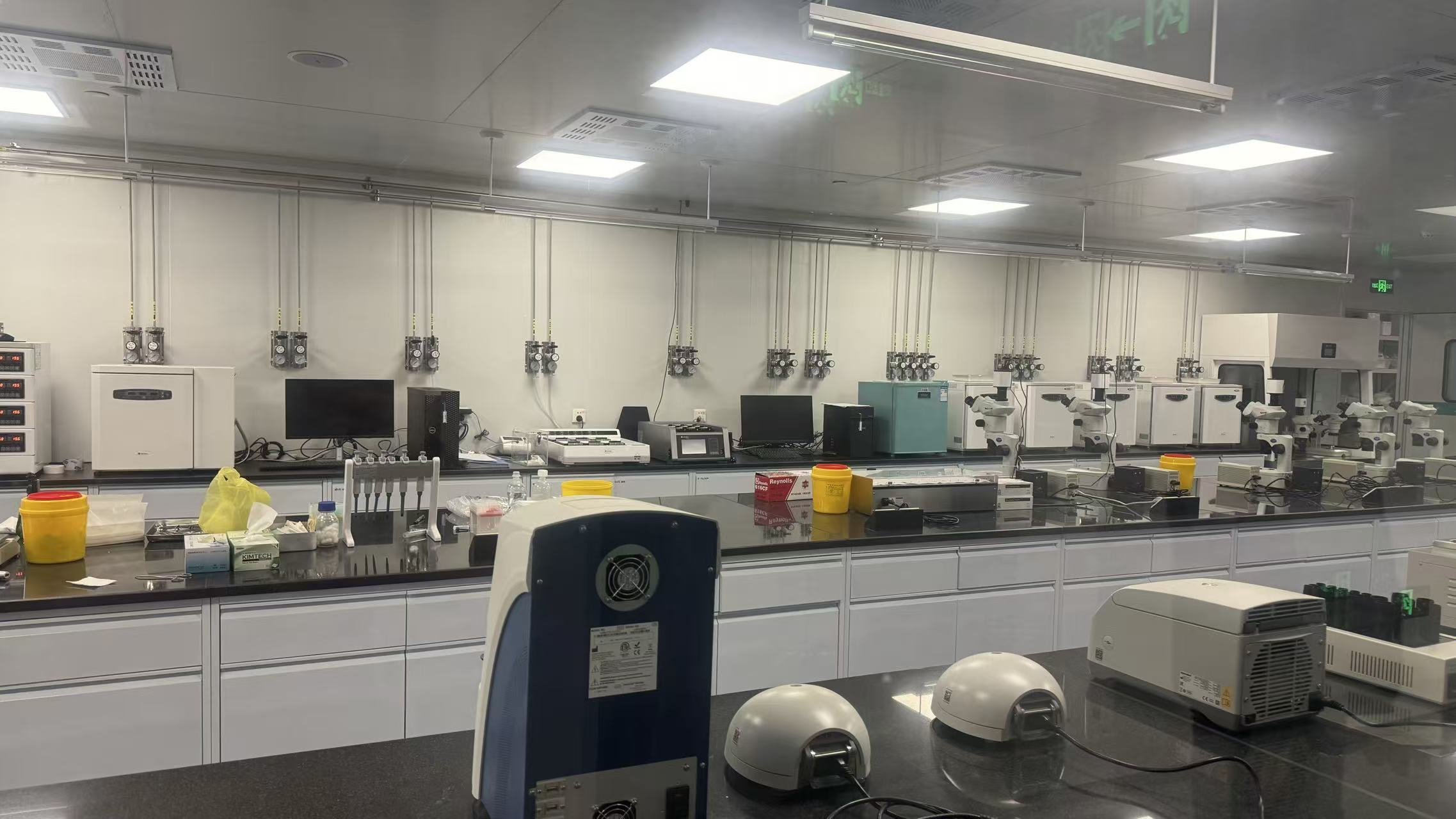
How Pet Cloning Works, from Cell to New Life

A staged explanation of somatic cell nuclear transfer, early development, and the boundary between shared genetics and an independent life.

The science, made clear

The central scientific idea

Somatic cell nuclear transfer places genetic material from a preserved donor cell into an enucleated oocyte. Further laboratory and reproductive stages support early development.

A simplified scientific pathway

Each step begins with what has been clarified in the stage before it.

  1. Prepare viable donor cells

    A living-cell resource supplies the donor genetic information.

  2. Perform nuclear transfer

    Donor-cell genetic material is introduced into an enucleated oocyte.

  3. Support early development

    Activation and embryo culture support the next biological stages.

  4. Coordinate reproductive care

    Embryo transfer and subsequent care are handled as later stages of the project.

What the process does not copy

  • Memories
  • Learned behavior
  • Personality
  • The original pet’s lived relationships and experiences

A sequence of distinct biological stages

Donor-cell preparation, oocyte handling, nuclear transfer, activation, embryo culture, transfer, pregnancy care, and post-birth care are separate parts of a coordinated pathway.

Questions to consider

No. Cloning can preserve genetic information, but personality, memory, behavior, and every lived experience develop independently.

Start with a private assessment

Share the situation you are navigating so the appropriate scientific and service pathway can be discussed.