No. Cloning can preserve genetic information, but personality, memory, behavior, and every lived experience develop independently.
Dog Cloning with a Responsible Scientific Pathway
A species-focused service pathway that begins with cell viability, scientific assessment, and an honest discussion of what cloning can and cannot preserve.
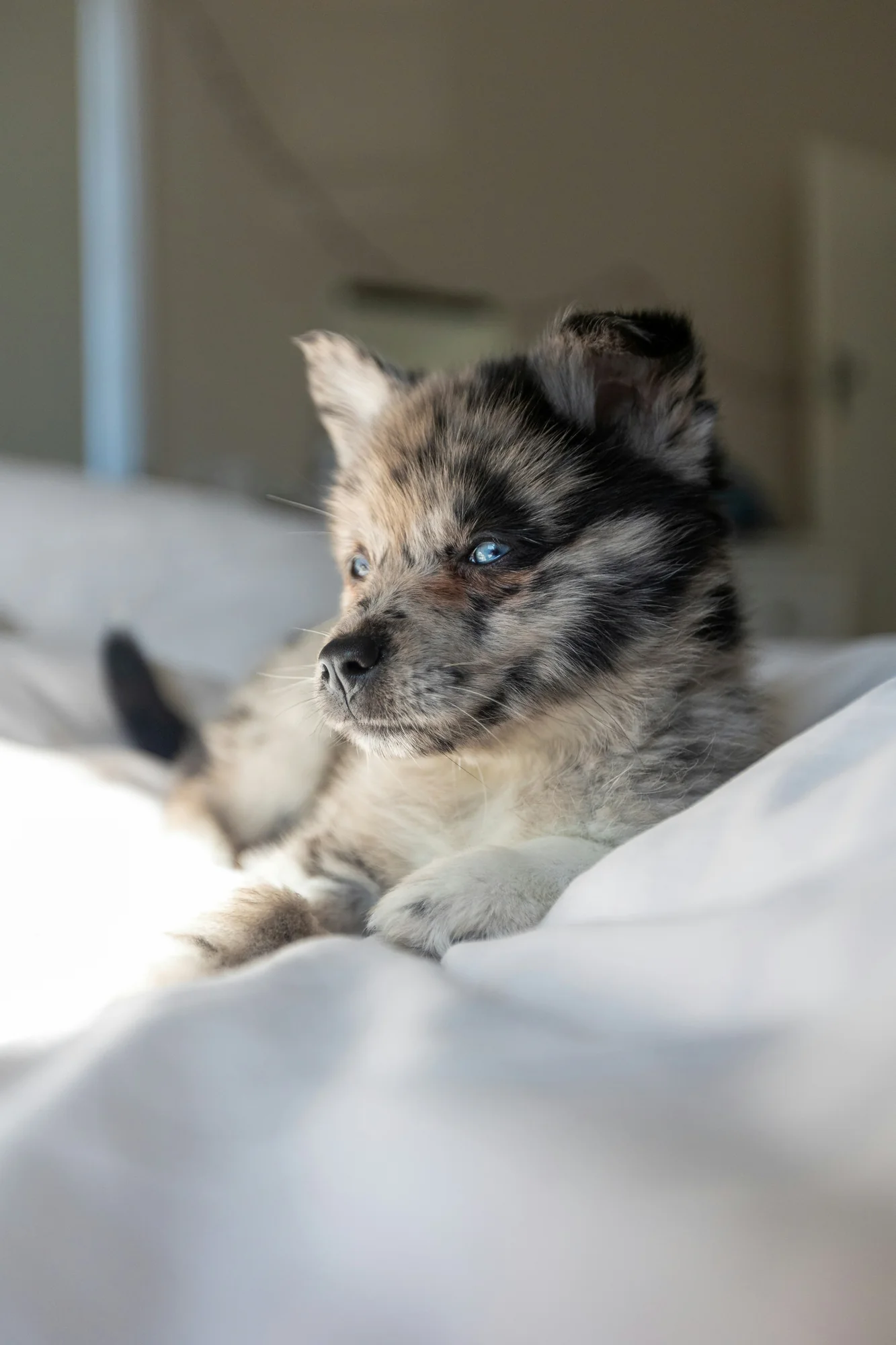
A genetic continuity service for dogs
Dog cloning begins with viable genetic material and a structured laboratory and reproductive process. The goal is genetic continuity; the resulting dog develops as an individual.
Situations worth discussing early
Begin with the family’s real situation, not with technical terminology.
- Proactive cell preservation
- Time-sensitive sample questions after loss
- Questions about available tissue or cultured cells
- Planning for a long, staged project
The role of viable cells
Preserved living cells provide the donor genetic information used in somatic cell nuclear transfer. Their condition and handling are foundational questions in any assessment.
A clear path forward
Each step begins with what has been clarified in the stage before it.
Initial assessment
Share the pet’s species, current situation, available sample information, and the service you are considering.
Sample and feasibility review
The relevant sample pathway and scientific considerations are reviewed before a project pathway is discussed.
Coordinated next steps
If the available information supports proceeding, the team explains the applicable preparation and service stages.
Questions to consider
Species, sample condition, timing, and service goals can change the appropriate next step. An assessment helps the team discuss those factors without making assumptions.
Genetics strongly influences appearance, but visible traits can also be affected by development and environment. Exact visual identity should not be promised.
Start with a private assessment
Share the situation you are navigating so the appropriate scientific and service pathway can be discussed.