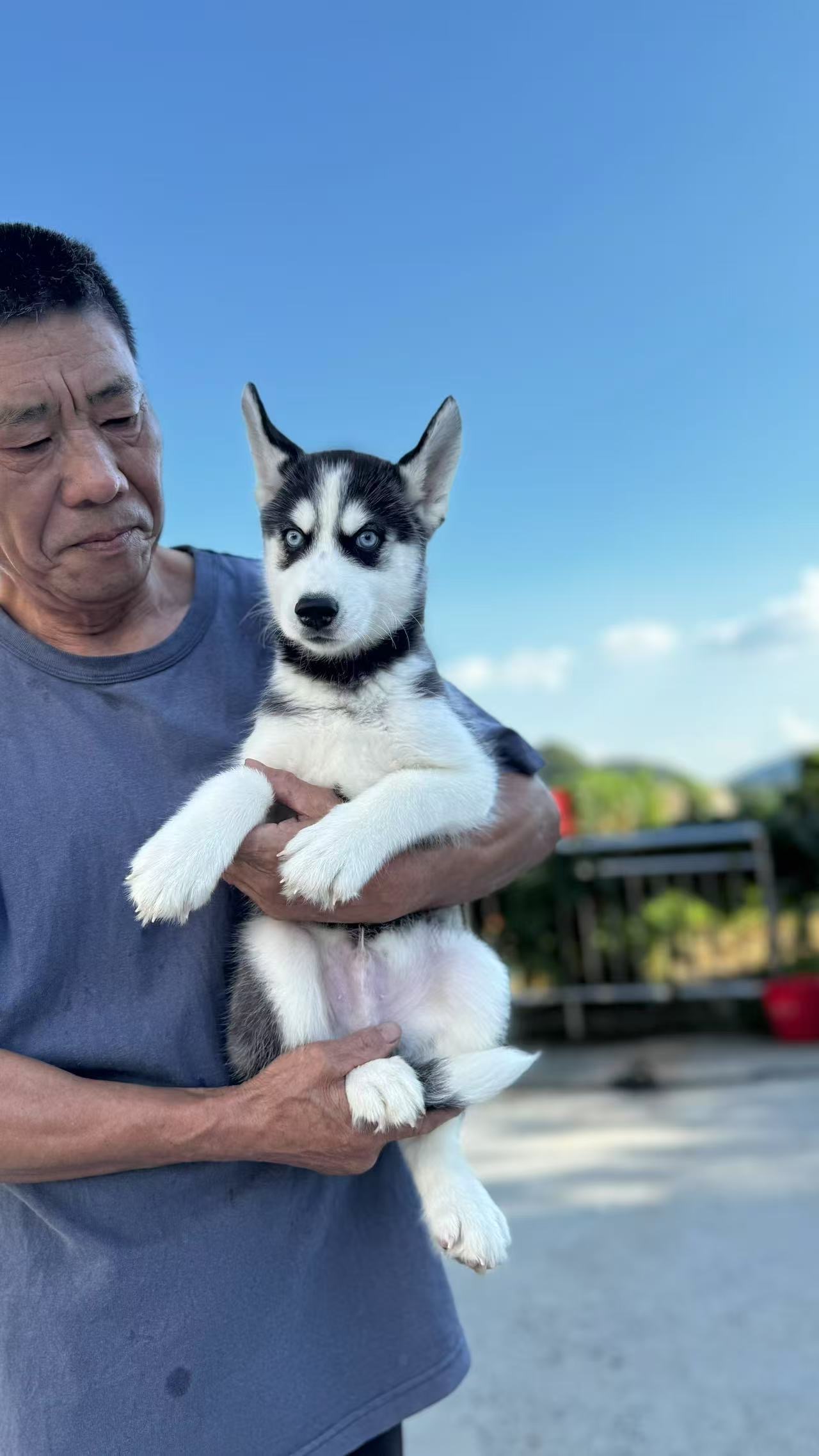
- Species
- Dog
- Breed
- Siberian Husky
- Display name
- Xiaobei · Privacy-protecting display name
Xiaobei: A Siberian Husky Cloning Case
A puppy-stage case record showing Xiaobei’s visible features in an authorized project photograph.
Read case recordAuthorized project photography, concise case summaries, and clear scientific context about genetics and individuality.
These company case records introduce Xiaobei and Xiaomo alongside four existing dog life-stage records. Each page keeps approved case facts, authorized imagery, privacy boundaries, and general scientific context clearly separated.
Meet Xiaobei and Xiaomo through concise company case records, authorized project photography and clear scientific context.
A puppy-stage case record showing Xiaobei’s visible features in an authorized project photograph.
Read case record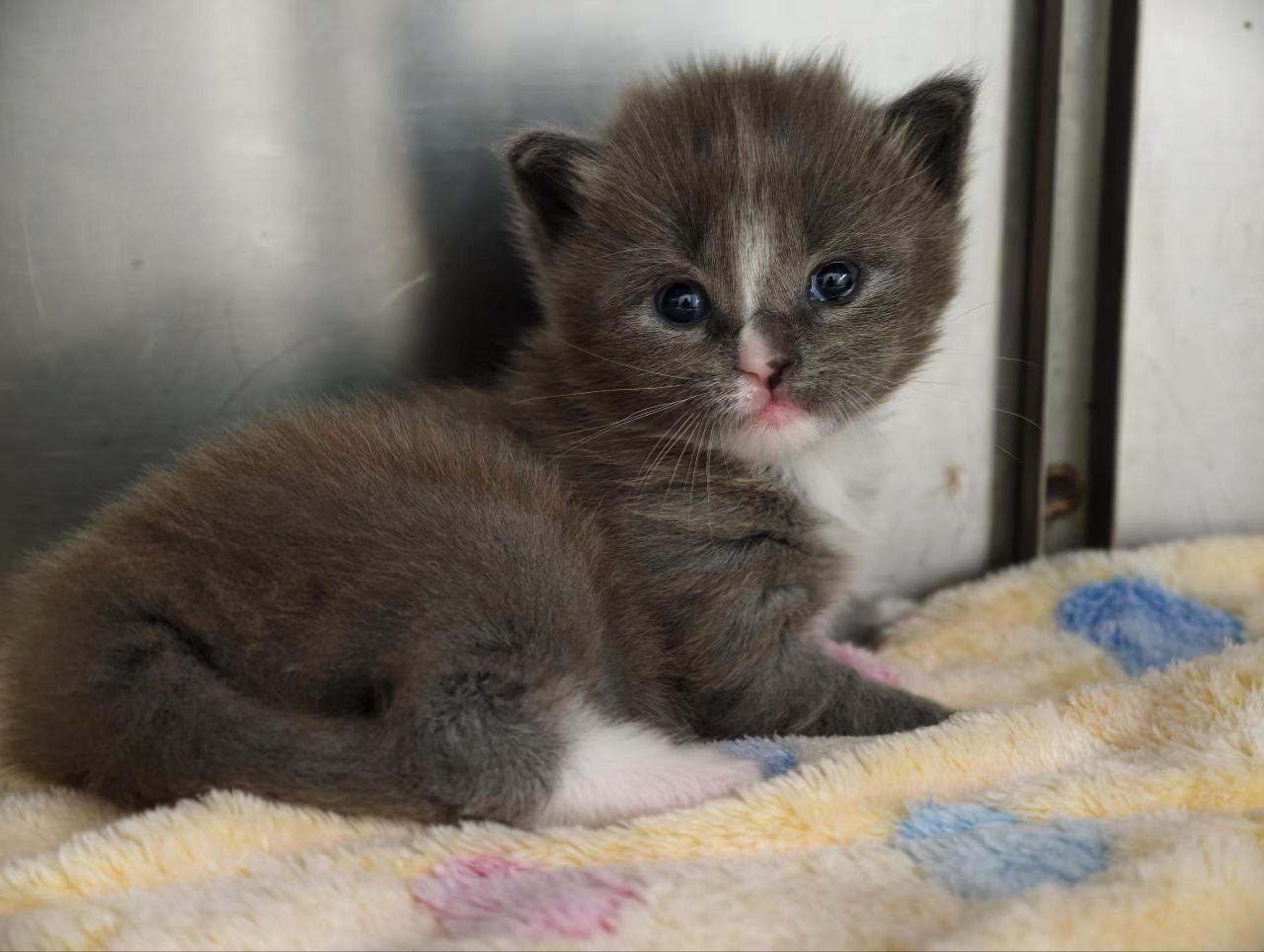
A kitten-stage case record showing Xiaomo’s early appearance in an authorized project photograph.
Read case recordDedicated pages introduce the two flagship records. Four additional dog photographs remain available below in their existing life-stage records.
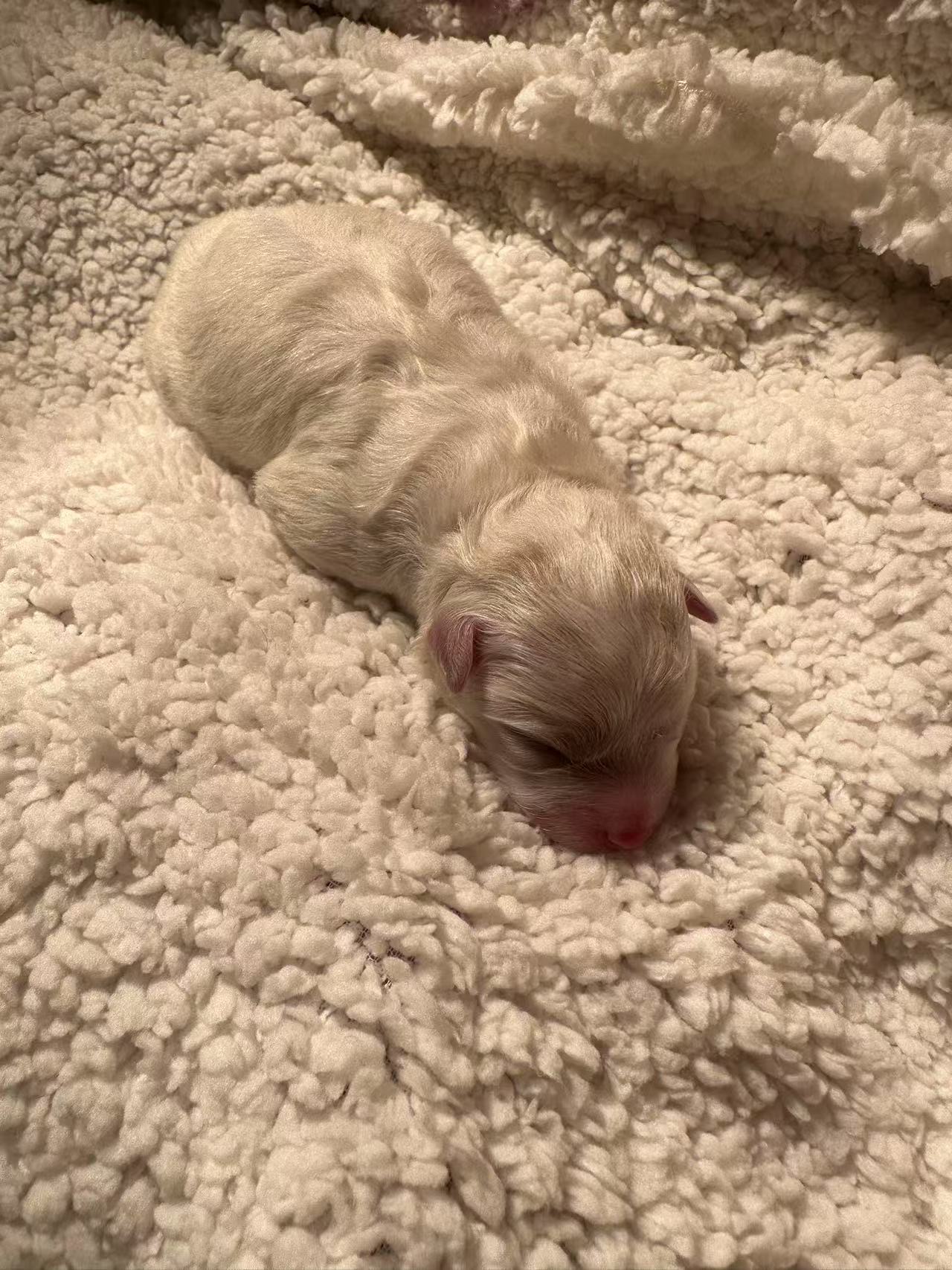
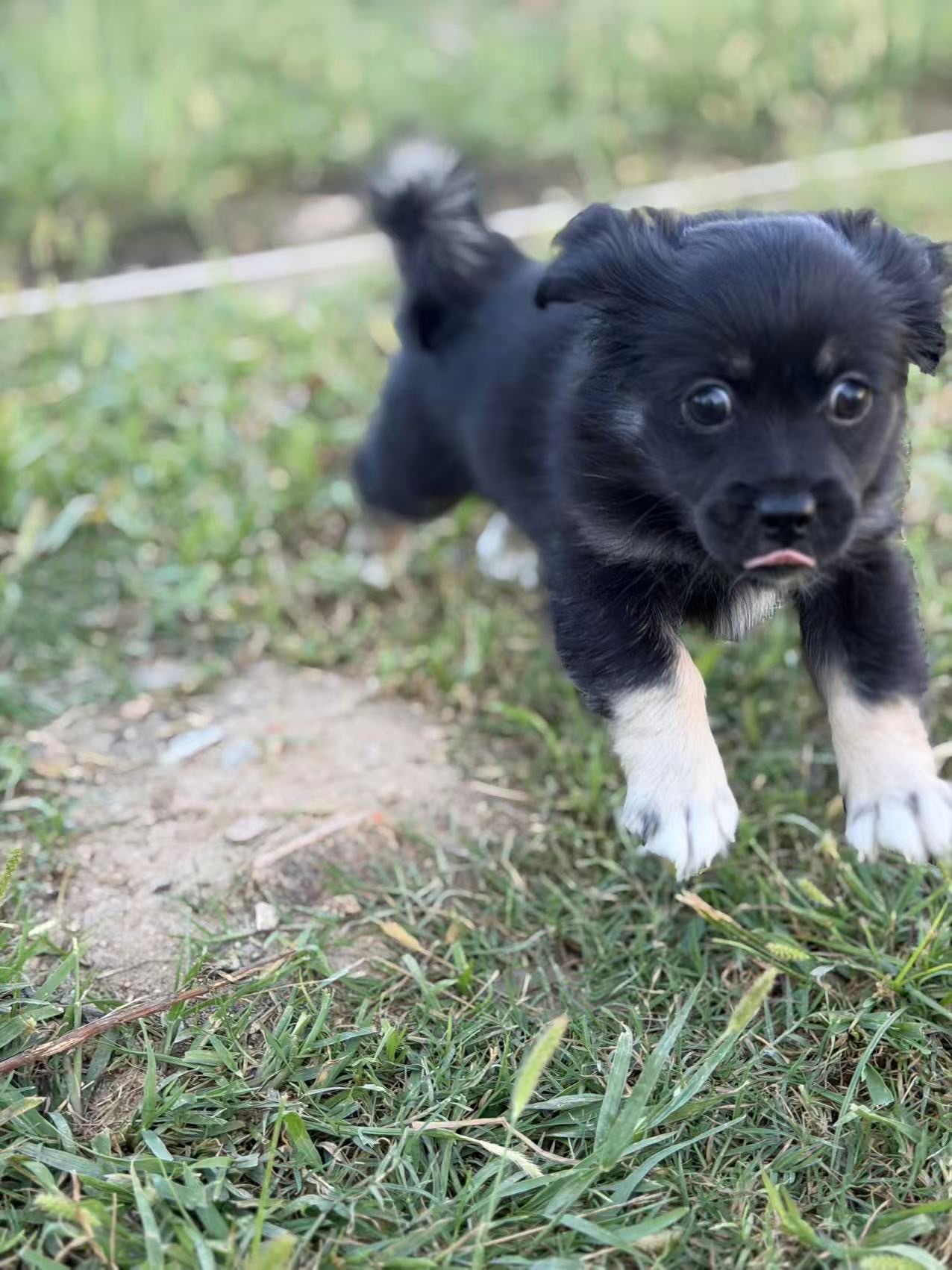
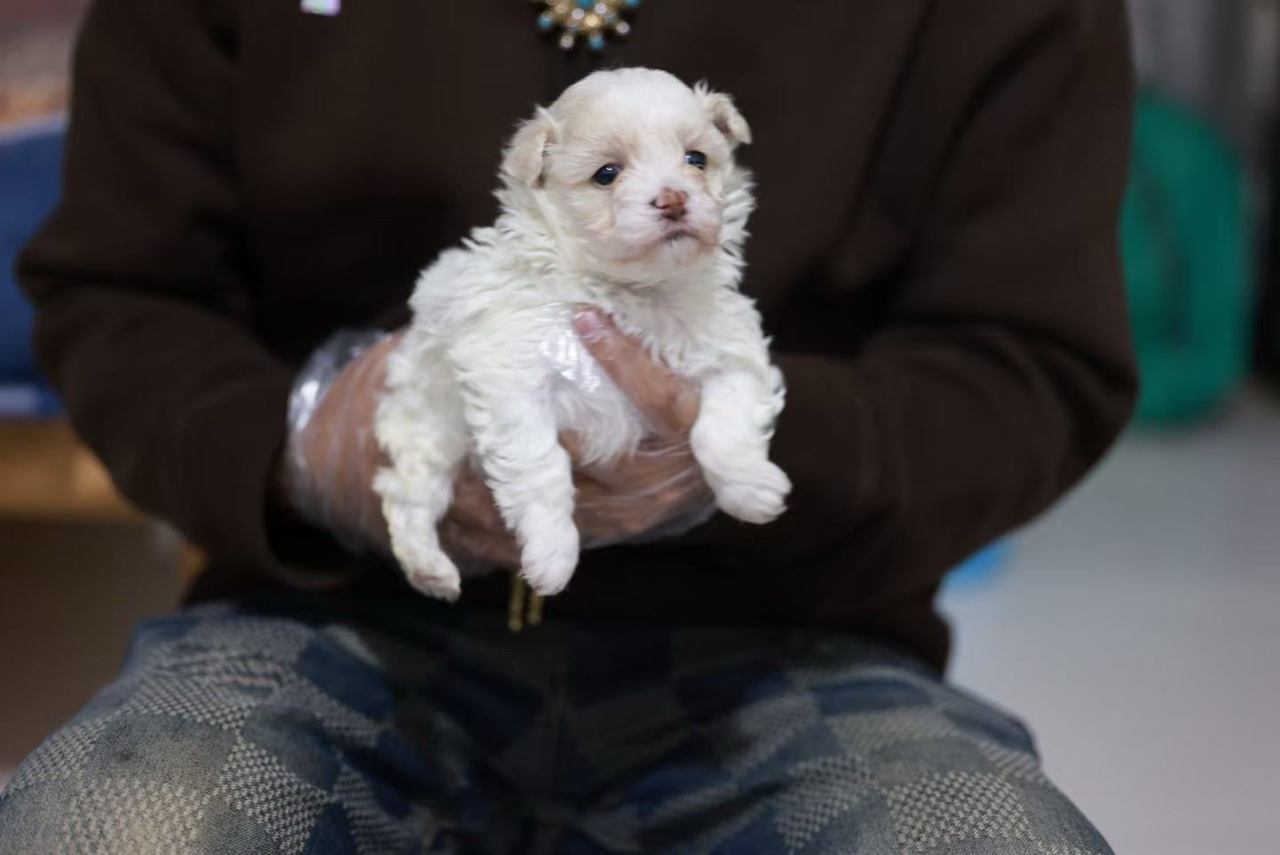
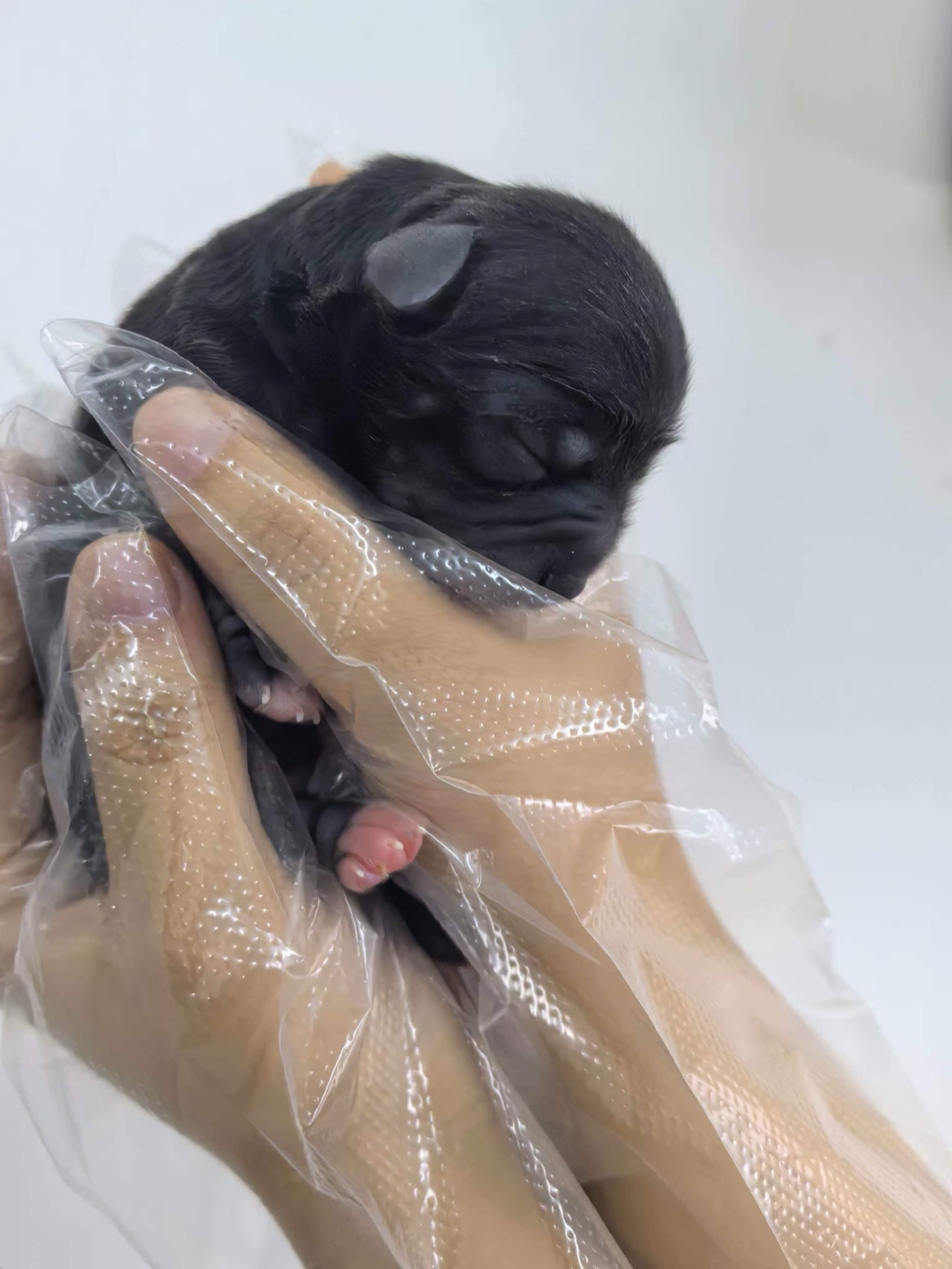
These four real photographs document cloned puppies at birth, during early care, and while beginning to explore the world. Current public materials do not state the breed, sample history, project dates, or complete timeline for these records.
MZY BIO publishes these records from company-held materials and authorized project imagery. Private client and technical information remains outside the page.
Cloning can continue important nuclear genetic information from a donor animal. It does not reproduce a life that has already been lived, and it does not copy acquired memories, personality, learned behavior, relationships, or lived experience. Development, environment, socialization, training, and daily care continue to shape every new animal.
Yes. The page uses real project photographs already included in MZY BIO’s published materials. The amount of public information differs by case, and unavailable details are not inferred.
The names shown are privacy-protecting aliases unless a public name is specifically confirmed. No private client identity is published here.
No. Nuclear genetic information may be highly similar, but development, environment, training, relationships, and lived experience continue to shape appearance and behavior.
No. Sample condition, cell viability, biological stages, care, and individual variation differ, so every situation requires a separate assessment.
Share the pet species, current condition, available sample information, and location so the relevant preservation or cloning questions can be discussed privately.